Alex Piletska analyses ‘earned settlement’ ILR changes in new article
 |
alexp@vanessaganguin.com +44 20 4551 4906 +44 (0) 7377 375312 |
|
alexp@vanessaganguin.com +44 20 4551 4906 +44 (0) 7377 375312 |
3 November 2026

The UK government has spelled out how it intends to change qualification for settlement or indefinite leave to remain (ILR). The reforms were first trailed in the Immigration White Paper of May 2025 and set out in detail in the “Fairer Pathway to Settlement” statement of 20 November 2025. That statement opened a consultation which drew more than 200,000 responses (the vast majority pointing out problems with proposals).
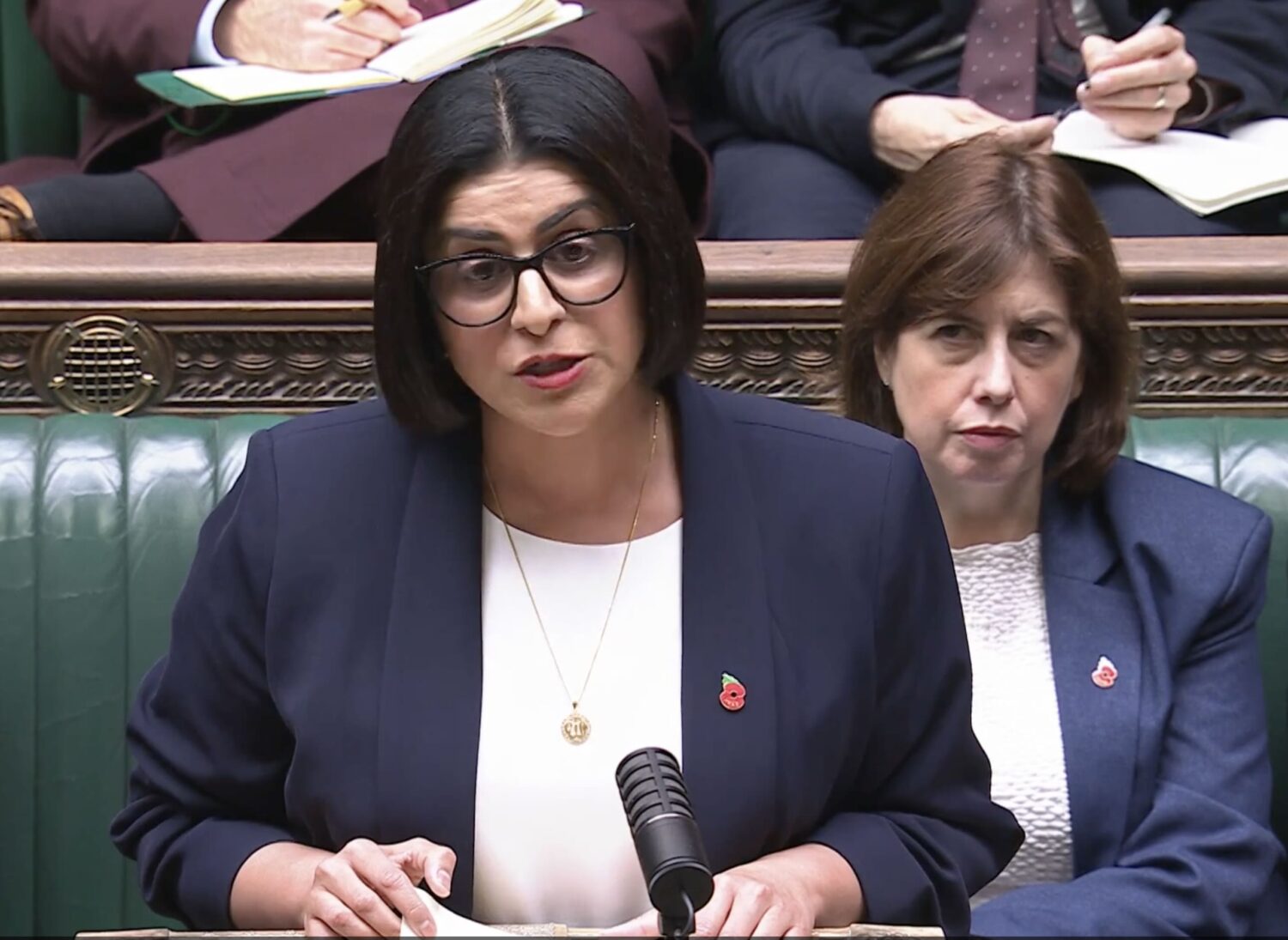
The Home Secretary Shabana Mahmood has now explained which proposals will be kept and which are ditched in a massive overhaul of routes to ILR. The principle of the Home Secretary’s “earned settlement” consultation stays, but as expected there have been some tweaks. More details on timings and answers to some of the questions these changes give rise to will be published in a Statement of Changes of the Immigration Rules expected in December.
Vanessa Ganguin Immigration Law Senior Associate Alex Piletska analyses the details announced by Shabana Mahmood and published in the Government Response to the Consultation (CP 1707) for immigration practitioners publication Free Movement.
Broadly, the new hurdles to settlement are:
Mandatory requirements:
>No criminal record at all
>No outstanding government debt (NHS, tax, National Insurance, Home Office litigation debt)
>English at level B2
>The Life in the UK test (being re-examined)
>Sustained earnings of at least £12,571 for three years (£25,142 for a couple)
Qualifying time depends on salary and roles:
>Three years if you earn £125,141+ for highest-talent visas
>Five years if you earn £50,271+;specified healthcare and education public sector professionals; family of British citizens, UK Ancestry route, protection under “safe and legal routes”
>20 years if an adult commits an immigration breach; refugees not on a “safe and legal” resettlement route, though refugees can transition to 10yrs via work, training or study, but face an extra 10yrs on top if they came “illegally”
>Ten years for everyone else
Who is protected from these reforms?
>Carers and lower skilled education and health workers (such as teaching assistants and auxiliary nurses) who were on their visas before 12 May 2025
>EUSS, domestic violence victims, armed forces, Hong Kong BN(O), legacy humanitarian routes
New challenges for employers
>Additional immigration costs if sponsoring workers beyond 5yrs
>Salary increases could shorten routes to settlement and actually cost less
>Criminal records – even suspended sentences or conditional cautions – mean some current employees and future hires will depend on sponsorship, with no option to settle
>More flexibility hiring carers let down by previous sponsors who lose their licence
“If you feel disheartened or even utterly depressed reading these proposals, know that you are not alone,” writes Alex Piletska in her explainer in Free Movement. “Take comfort, if you can, in the fact that this doesn’t even remotely represent the views of the overwhelming majority of the British public. As spotted by my friend and colleague Ross Kennedy in the consultation findings report, a large majority who took part in the consultation disagreed with the proposed changes, which includes:
84% of individuals
79% of organisations
86% of current visa holders
89% of people with protection status
77% of British citizens
“So it’s not at all clear how the government can possibly suggest that they have a mandate to undertake some of the most draconian and radical changes to the immigration system since 1971. If you are affected by these changes, know that the vast majority of the people of this country stand with you.”