Autumn Budget 2026 UK immigration measures affecting employers
 |
vanessa@vanessaganguin.com +44 (0) 20 4551 4787 +44 (0) 7855 817714 |
|
vanessa@vanessaganguin.com +44 (0) 20 4551 4787 +44 (0) 7855 817714 |
28 October 2026
In today’s Autumn Budget, the UK’s new Chancellor of the Exchequer announced some important tweaks to UK immigration mainly aimed at the labour market.
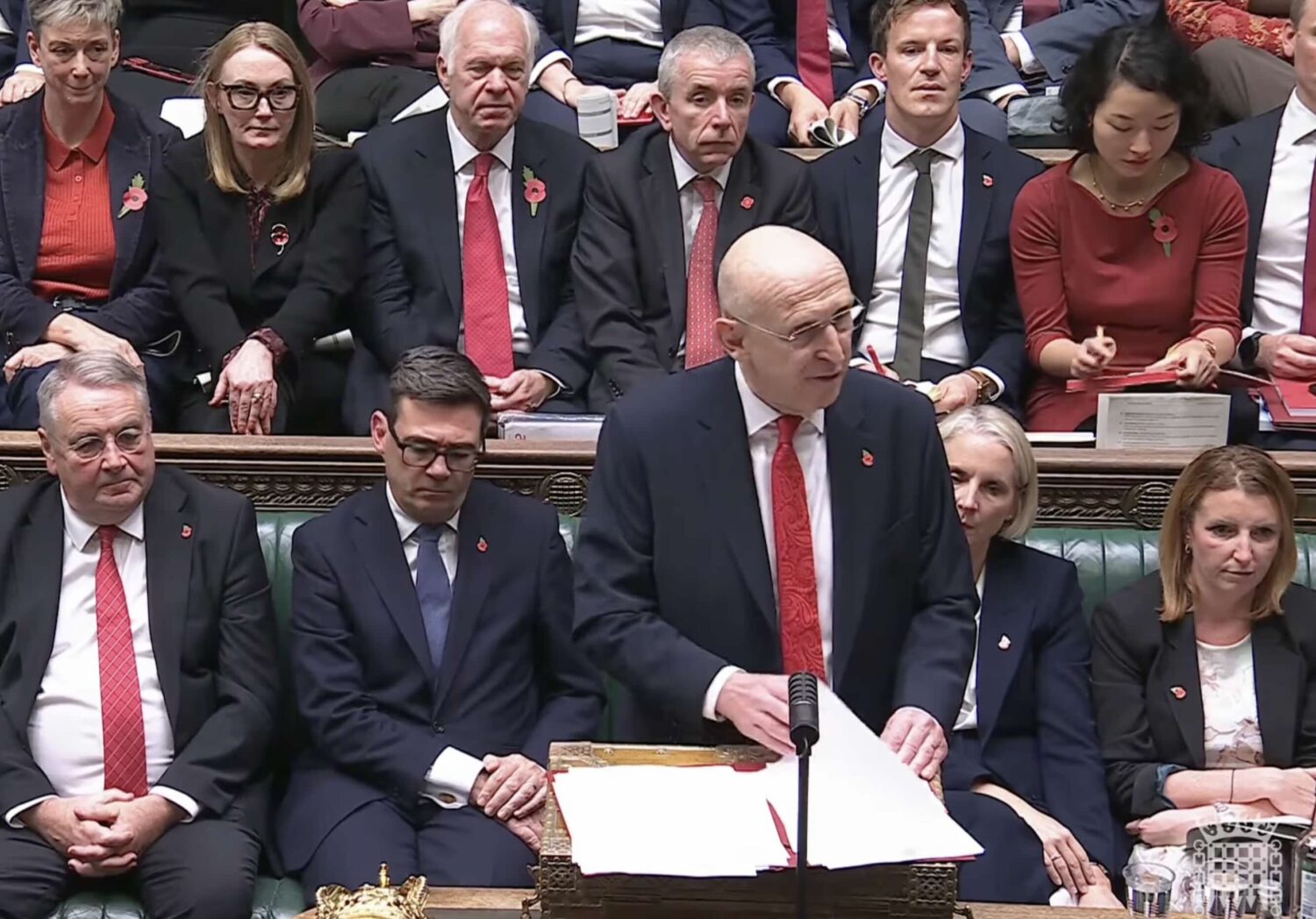
In his first budget, Chancellor John Healey promises “the most pro-business migration system in Europe for high-skilled workers” and reiterates that “the government has tightened the immigration system for low and medium-skill individuals while improving the offer to international talent.” There’s a few measures that promise more of that:
Minimum salary changes for sponsoring workers
Going-rates sponsors have to meet or exceed to sponsor roles will drop from the median to the 25th percentile of wages for those jobs next spring, following recommendations by the Migration Advisory Committee (MAC). According to the budget announcement, the general minimum threshold which also has to be met (£41,700 for Skilled Workers) will be uprated with 2026 wage data, then updated every year using ONS (ASHE) wage inflation figures. Still, this is good news for many sponsors of highly skilled workers and execs whose going rates were pushed up to the median for that occupation in April 2024 – especially for those in regions of the UK where the going rates for jobs may be lower than average.
Different discounts to minimum salaries for new entrants are set to merge into one figure for New Entrants, students, recent graduates and trainees. Instead of complex calculations that vary heavily by role, the MAC recommended establishing a single, standard baseline of £33,400 per year.
The Budget document published by the Treasury also notes that the PhD discount will be removed. The MAC has also reported that it found no economic evidence that PhD holders earn less than the average worker in the broader market. Under the new spring 2027 rules, having a PhD will no longer grant an employer a separate discount to lower a sponsored worker’s salary threshold below the standard limits.
Longer visa curtailment periods for sponsored workers
Highly skilled workers will have longer to find a new job – up to six months from 2027 – with the duration varying depending on how long they have worked in their previous job.
Immigration costs which are no longer treated as a benefit in kind
From today, Immigration Skills Charge or Certificate of Sponsorship fees paid for by employers will no longer be treated as a taxable benefit in kind for sponsored workers.
The government will introduce the legislation in the Finance Bill 2026-27. The change will apply to payments made on or after 28 October 2026.
Back to two years for (some) Graduate visas
Graduate visas will last up to two years (back up from 18 months), but only for graduates of “high-compliance” universities with strong labour market outcomes. The visa length had been set at two years until May last year, when it was cut by six months with the changes due to come in from January 2027. This will be good news for Britain’s higher education institutions which have faced a drop in international student applications. However, the government may want to examine how they judge universities’ “compliance.” The Financial Times recently reported data from Enroly who process visa applicants suggesting Home Office visa refusal rates at almost half UK universities are above the five per cent threshold that could result in their being banned from recruiting international students.
HPI visa expanded to more qualifying universities
The High Potential Individual visa will open up to graduates of the top 150 global institutions, with the cap raised in proportion (though around 2,000 annual applications this route receives each year is well below the current cap of 8,000). When this comes into force, it’s worth checking the university list for the year you graduated to see if this will affect those graduating in previous years.
More Global Talent visa endorsing organisations
UK Research and Innovation will work with organisations in regions across the UK to identify more R&D-intensive businesses in Industrial Strategy sectors to be host organisations on the endorsed funder pathway of the Global Talent visa route by spring 2027.
Tax measures to attract globally mobile talent to Britain
The 2026 Budget contains various measures to make Britain even more attractive to globally mobile talent, High Net Worth and Ultra High Net Worth individuals, as well as those launching businesses.
This includes changes to capital gains legislation to provide an administrative easement to the ‘exit charge’ that otherwise applies when a trust ceases to be resident in the UK. The Chancellor believes this will make it quicker for globally mobile talent to relocate to the UK. The government will introduce legislation in the Finance Bill 2026-27 which will have effect in relation to exit charges on or after 28 October 2026.
Tax and finance measures to entice founders launching businesses in the UK
“The government is strengthening the tax environment for founders at every stage of the growth of their businesses, making it one of the most competitive in the world,” the budget statement announces. New Capital Gains Tax Founders’ Relief will be launched from 6 April 2027, offering a reduced 10 per cent Capital Gains Tax rate on up to £10 million of lifetime gains, “supporting the talented individuals who take risks to build and scale high-growth, innovative companies in the UK. This will further support those with a track record of creativity and resilience in building successful businesses to deliver even more UK jobs, growth and wider economic benefits in future.”
The government’s plan to strengthen the tax environment also includes making R&D tax reliefs easier to access by simplifying administration and improving venture capital schemes so that founders can raise capital with greater certainty.
The Chancellor also says that the UK “will enhance our world-leading employee share ownership schemes by launching an expanded EMI2 (formerly CSOP). EMI2 will double the value of tax-advantaged options employees can hold from £60,000 to £120,000 from 6 April 2027, giving scaling businesses a more generous and flexible way to attract and retain talented employees as well as enabling those employees to share in the value they help their companies create.”
To support entrepreneurs to take the first steps in starting a small business, the government is also tripling the Trading Allowance from £1,000 to £3,000 from 6 April 2027.
The Budget is increasing access to finance for innovative start-ups and scale‑ups through a £5 billion uplift to the British Business Bank’s financial capacity, including £1.4 billion to invest in equity funds backing high-growth businesses and £450 million for a new venture debt product providing non-dilutive finance to innovative firms.
More asylum accommodation to replace the use of hotels
The 2026 Budget also included a promise of £150 million for additional large sites accommodating asylum seekers in 2027-28 to end hotel use – one of the Labour Government’s current policies. The Budget document does not identify locations, capacity or anticipated opening dates. Obviously, the best option for the UK economy and all those involved would be to relax restrictions on asylum seekers working, so that with dignity, they could be a net benefit to the economy while awaiting a decision on their application. Currently only highly skilled positions are open to those with the right to work.
You can read all 152 pages of the 2026 Budget here.